
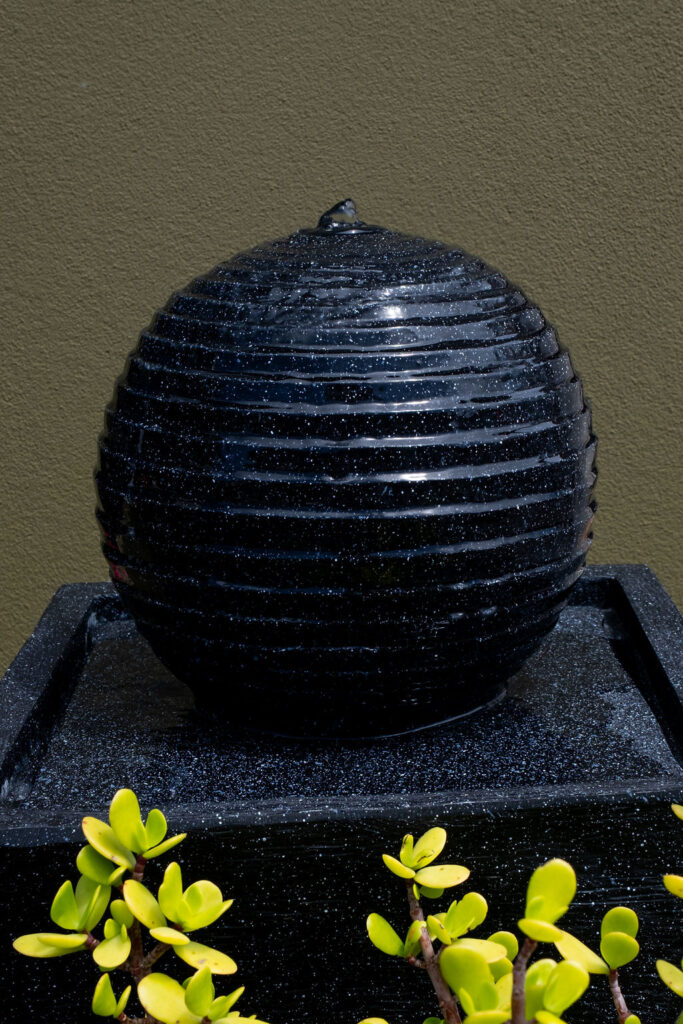
 Water has long been one of the most powerful and revered elements in Feng Shui. For thousands of years, practitioners have observed the relationship between water, energy flow, abundance, health, and opportunity. In traditional Feng Shui, water is often referred to as the “carrier of Qi” (life force energy), making it one of the most influential features you can introduce into your home or business environment.
Where Does the Concept of Water in Feng Shui Come From?
The origins of Feng Shui date back over 3,000 years in ancient China. The words “Feng Shui” literally translate to “Wind” and “Water.” Ancient masters observed how people thrived when living near healthy waterways and were negatively affected by stagnant or destructive water formations.
Water was considered a source of nourishment, transportation, fertility, and wealth. Villages that had access to clean, flowing water often prospered, while those without it struggled. These observations became the foundation of many Feng Shui principles still used today.
In classical Feng Shui, the movement and direction of water are carefully studied because they are believed to influence how wealth, opportunities, and energy enter and circulate through a space.
Why Water Features Are Important
A water feature acts as an energetic activator. The movement of water encourages Qi to circulate rather than become stagnant. When Qi flows smoothly, it can support:
- Wealth and abundance
- Career growth
- New opportunities
- Emotional well-being
- Mental clarity
- Harmonious relationships
Many people notice that adding a water feature creates a calming atmosphere while simultaneously making a space feel more vibrant and alive.
Water and Wealth
One of the most well-known Feng Shui associations is the connection between water and prosperity.
In the Five Elements system, water represents flow, adaptability, and the ability to attract resources. When water is healthy, clean, and moving, it symbolically encourages wealth and opportunities to flow into your life.
However, the condition of the water matters greatly. Dirty, stagnant, or neglected water can symbolically represent blocked finances, delayed opportunities, or stagnant energy.
This is why maintaining your water feature is just as important as having one.
Choosing the Right Water Feature
There are many ways to introduce water energy into your environment:
Indoor Fountains
Perfect for activating energy in specific areas of the home. The gentle sound of flowing water can create a peaceful and nurturing atmosphere.
Outdoor Water Features
Ponds, waterfalls, bird baths, and decorative fountains can significantly enhance the Feng Shui of a property when positioned correctly.
Aquariums
Aquariums combine the Water element with living creatures, creating movement and vitality. In Feng Shui, they are often used as prosperity enhancers.
Symbolic Water
Even artwork depicting calm, flowing water can introduce water energy into a space when placed appropriately.
Placement Matters
One of the biggest misconceptions about Feng Shui is that simply placing a fountain anywhere will attract wealth.
The location is crucial.
Generally speaking:
- Water should ideally flow towards the home rather than away from it.
- The front entrance is often a favourable location because it can help attract opportunities and positive Qi.
- Certain Feng Shui schools use personal BaZi charts and Flying Star analysis to determine the most beneficial placement.
- Bedrooms are typically not recommended for active water features because the constant movement can create excessive energy and disturb rest.
Because every home has unique energetic patterns, a personalised Feng Shui assessment can help determine the best placement for your specific situation.
The Sound of Water
The gentle sound of flowing water can have profound effects on our nervous system. It naturally encourages relaxation, mindfulness, and a feeling of connection to nature.
From a Feng Shui perspective, pleasant water sounds help activate healthy Qi. However, loud, aggressive, or overwhelming water sounds may create excessive Yang energy and feel stressful rather than nurturing.
Common Mistakes to Avoid
When using water features in Feng Shui, avoid:
- Stagnant water
- Broken pumps
- Dirty fountains
- Water leaking from the feature
- Placing water features without considering direction and placement
- Using overly large features that overwhelm the space
Remember, Feng Shui is about balance. More water does not necessarily mean more wealth.
Water as a Reflection of Life
Water teaches us one of Feng Shui’s greatest lessons: flow.
When water encounters an obstacle, it does not fight against it. Instead, it moves around it, adapts, and continues forward. This mirrors how we can approach challenges in our own lives.
A well-placed water feature serves as a daily reminder to remain flexible, open to opportunities, and willing to let life unfold naturally.
By inviting the Water element into your environment with intention and care, you create a space that supports movement, growth, abundance, and harmony.
Just as water nourishes the earth, it can also nourish the energy of your home and the life you are creating within it.